Billboards - Flex Face (SignTech)
Flex Face is a system designed for producing large-format advertising banners with tensioned fabric or flexible substrates, ensuring even tension and a completely smooth visual appearance. This construction method is ideal for building facades, billboards, and large-format illuminated lightboxes. The system combines robust profiles, heavy-duty tensioning components, and flexible media engineered for long-term outdoor performance.

Product sorting
List of products

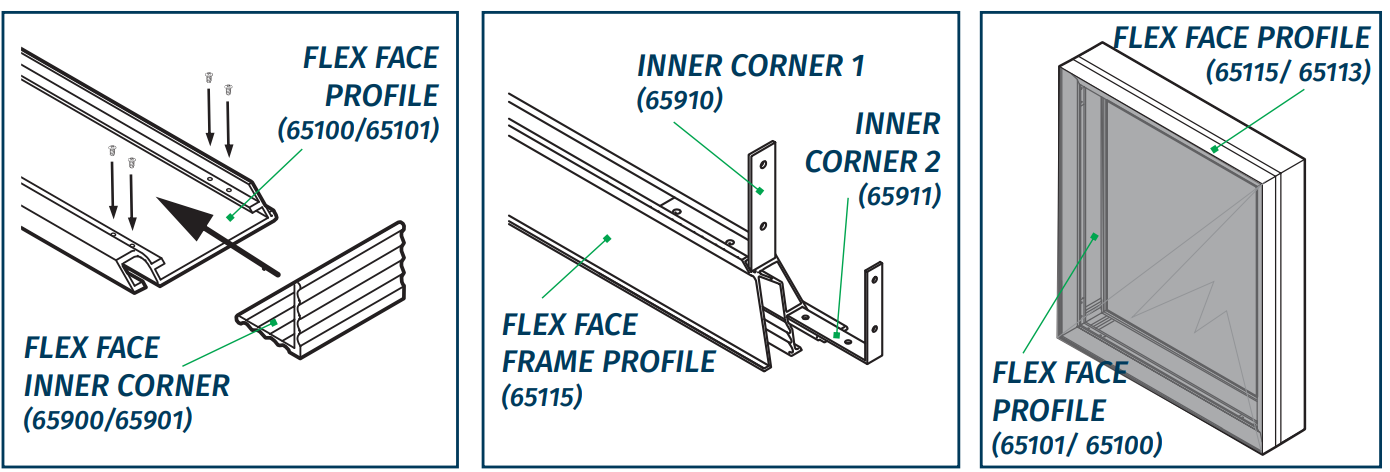
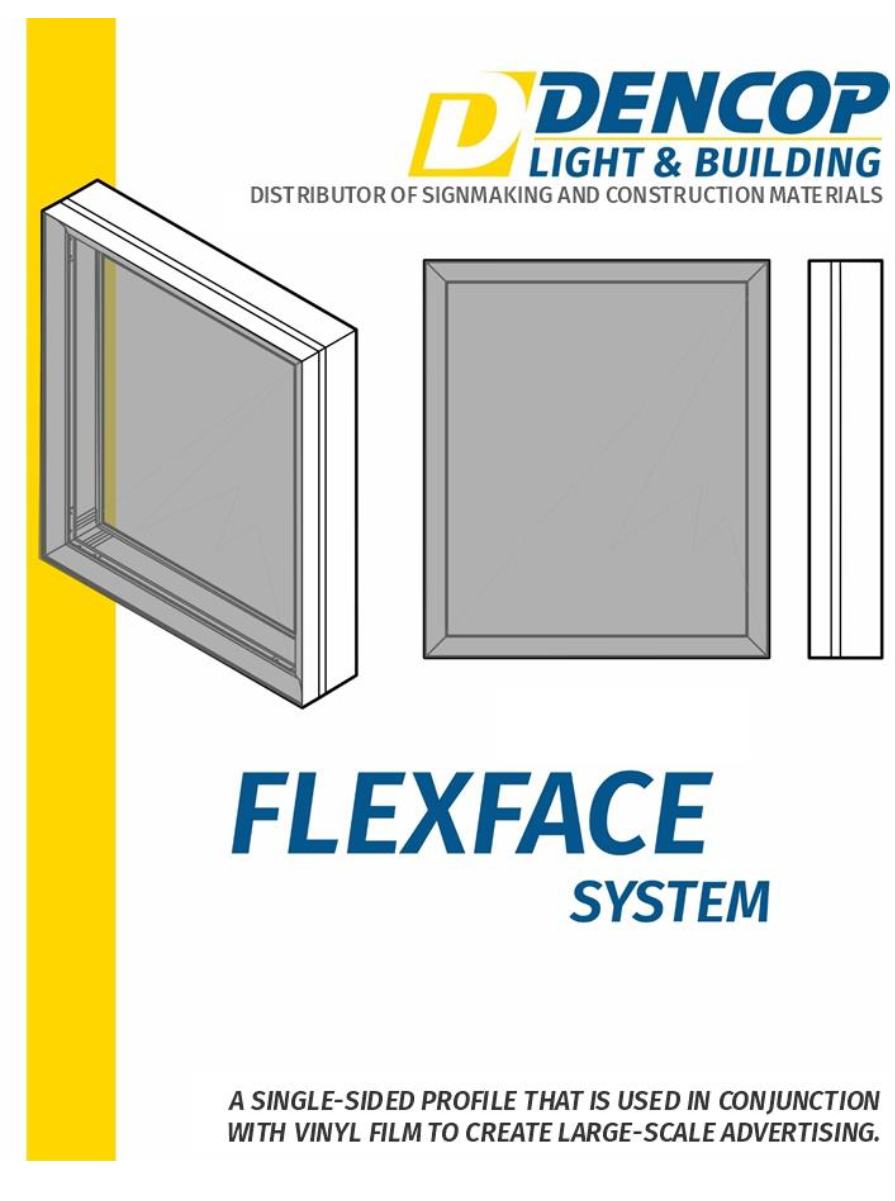
Flex Face is a one-sided profile that is used with vinyl foil to create large-area advertising with stretch levers.

Flex Face is a one-sided profile that is used with vinyl foil to create large-area advertising with stretch levers.

Flex Face is a one-sided profile that is used with vinyl foil to create large-area advertising with stretch levers.

Flex Face is a one-sided profile that is used with vinyl foil to create large-area advertising with stretch levers.

Flex Face is a one-sided profile that is used with vinyl foil to create large-area advertising with stretch levers.

Flex Face is a one-sided profile that is used with vinyl foil to create large-area advertising with stretch levers.

Flex Face is a one-sided profile that is used with vinyl foil to create large-area advertising with stretch levers.


In our offer you can find Aluminium profiles of 6 m length, from which you can assemble large-area advertisement banners. Flex Face is a one-sided profile that is used in conjunction with vinyl foil to create large-area advertising with tension levers.
The great advantage of this system is its low weight and ideally flat area. By removing the cover strip, the front side is simply opened and therefore it is not necessary to remove or interfere with the stretched banner. Profiles are welded together.
Schematics


Examples

Instructions
Instruction manual can be downloaded HERE.
FAQ – Frequently Asked Questions
What is the Flex Face system and how does it work?
Flex Face is a technology that utilizes an elastic or flexible printed substrate tensioned into specialized profiles, keeping the advertising surface completely flat and wrinkle-free. The flexible banner is stretched onto the structural frame, enhancing both visual appeal and weather resistance. The result is a smooth, eye-catching, and clearly legible display area.
Where are Flex Face systems most commonly used?
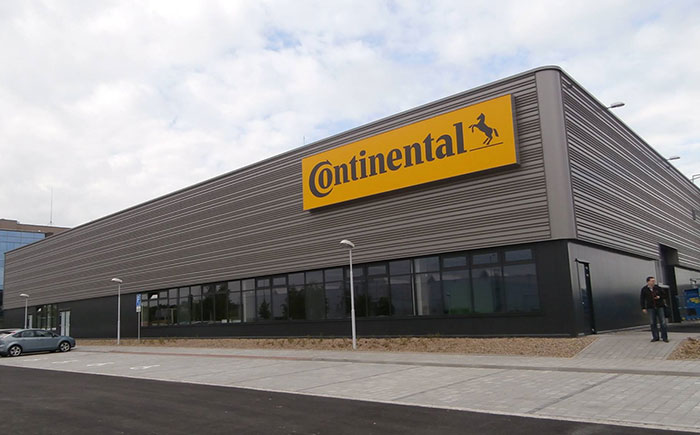
Flex Face is primarily used for large-scale advertising installations, such as building facades, billboards, festival or event backdrops, and illuminated signboards. Thanks to its stable tensioning, it withstands demanding outdoor environments. It is ideal for projects that demand high-impact brand presentation on a large scale.
How do I choose the right components for a Flex Face installation?
When selecting components, consider the overall banner dimensions, the structural frame type, and the mounting method. All hardware must be fully compatible with both the extrusion profile and the flexible material. Choosing the right components ensures uniform tension, long service life, and outstanding visual quality for the finished display.